
A slab leak is a water line leaking beneath the concrete foundation of your home — and in Perris, where slab-on-grade construction is common and expansive clay soil shifts with the seasons, it is one of the most frequent hidden leaks we find. Because the pipe is buried in concrete, you never see the water: you see the symptoms.
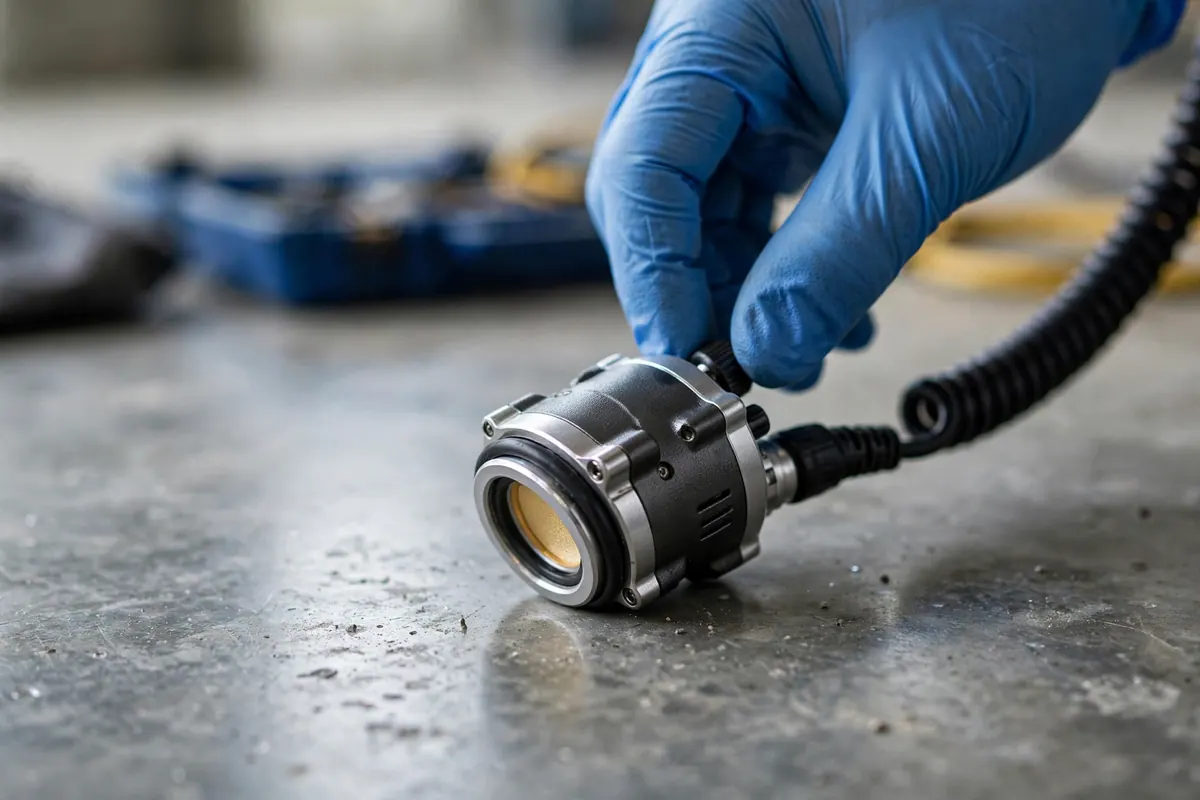
Our acoustic listening equipment traces the sound of escaping water through the slab to its loudest point, and thermal imaging confirms hot-water breaks by their heat signature. The result is a marked, documented location — so any repair opens one precise spot, not a trench across your floor.
Perris homes built from the late 1970s through the 1990s are now squarely in the years when supply lines fail — copper pinholes from hard water, joints stressed by clay-soil movement. Catching it at the symptom stage, with instruments rather than a jackhammer, is the difference between a one-visit detection and a major restoration.
Signs You May Need Slab Leak Detection
- Warm spots on tile or flooring
- Unexplained spike in the water bill
- Sound of running water with everything off
- Damp flooring edges or buckling
- White mineral deposits on concrete
- Water meter moving with no fixtures running
How a Slab Leak Forms in Perris
Supply lines run through or beneath the concrete slab. Perris sits on expansive clay soil that swells and shrinks with moisture changes, stressing pipes at bends and joints. Add hard water — common in the Inland Empire — and copper lines develop pinhole leaks while older galvanized lines corrode from the inside. None of this is visible; the concrete hides the failure until symptoms surface.
How We Pinpoint It Without Digging
First, we confirm the loss: meter and pressure tests prove water is escaping and isolate whether it is the hot or cold side. Then acoustic sensors listen through the slab — pressurized water escaping a pipe makes a distinct, traceable sound. For hot-water lines, thermal imaging shows the heat footprint spreading through the concrete. The methods cross-confirm each other before anything is marked.
What Happens After Detection
You receive the leak's position marked on the floor and a clear explanation of what was found. Repair — rerouting the line overhead or a targeted slab opening — is a separate step, and your plumber or contractor can act on our documentation with confidence. Knowing the exact location first is what keeps the repair small.
EMWD Billing Note
Eastern Municipal Water District (EMWD) serves much of the Perris area with tiered billing — a slab leak can push you into expensive upper tiers fast. If your bill jumped, check whether EMWD offers a leak adjustment for documented repairs; either way, finding the leak quickly is what stops the bleeding.
Suspect a slab leak detection?
One visit confirms it and marks the exact position — before anyone digs.
☎ Call +1 951-508-0132Our Slab Leak Detection Process
Confirm the loss
Meter and pressure tests prove water is escaping and isolate the line involved.
Listen through the slab
Acoustic sensors trace the leak's sound to its loudest point.
Confirm with imaging
Thermal imaging cross-checks hot-water breaks by their heat signature.
Mark and document
The position is marked on the floor with a written explanation of findings.